
Tomato Kurma for Chapati, Idli and Dosa
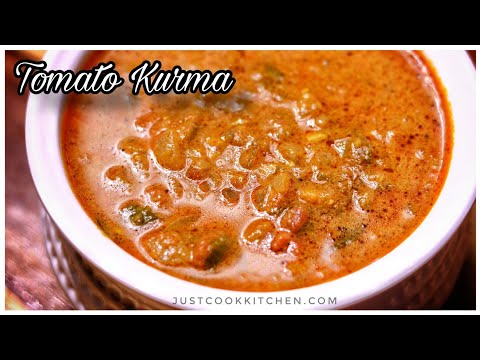
Tomato Kurma, known as Thakkali Kurma in Tamil, is a beloved South Indian side dish that holds a special place in Tamil kitchen traditions. This rich and aromatic curry is made with ripe tomatoes cooked in a creamy coconut and spice base that gives it a beautiful golden-red colour and a deeply satisfying flavour. Originating from Tamil Nadu's tiffin culture, this kurma bridges the gap between simple everyday cooking and restaurant-style indulgence, making it a staple in homes across Tamil Nadu and among Tamil families living worldwide.
Tamil families adore this kurma because it pairs perfectly with almost every tiffin item on the table — soft chapatis, fluffy idlis, crispy dosas, and even parotta. It is a go-to dish on Sunday mornings when the whole family gathers for a leisurely breakfast, and it often appears during casual home gatherings and festive occasions like Pongal breakfast spreads or temple prasadam meals. The vibrant tomato base combined with coconut paste makes it filling and comforting, something every amma and paati has their own cherished version of.
What makes this recipe truly special is how quickly and easily it comes together without compromising on flavour. Using fresh ripe tomatoes gives the kurma its natural tang, while the freshly ground coconut paste adds a creamy, restaurant-quality texture at home. The key to the best results is cooking the tomatoes until they completely break down before adding the coconut paste, and always simmering on low heat after adding the paste to prevent it from splitting. This simple technique guarantees a smooth, glossy kurma every single time.
🛒 Ingredients
👨🍳 Instructions
Prepare the coconut paste first. In a small blender jar, add the grated fresh coconut, roasted cashews, fennel seeds, and poppy seeds. Add about 1/4 cup of water and grind everything together into a very smooth, creamy paste with no lumps. Set this aside — this paste is the heart of the kurma and gives it that rich, velvety texture.
Heat oil in a heavy-bottomed kadai or pan over medium heat. Once the oil is hot, add the bay leaf, cinnamon stick, cloves, and cardamom. Let them sizzle for about 30 seconds until fragrant. This step builds the aromatic base of the kurma, so do not rush it.
Add the finely sliced onions and curry leaves to the kadai. Sauté on medium heat, stirring frequently, for about 7 to 8 minutes until the onions turn soft, translucent, and lightly golden at the edges. Properly cooked onions are essential for a smooth and well-bodied kurma.
Add the slit green chillies and ginger garlic paste. Mix well and cook for 2 to 3 minutes on medium heat, stirring constantly, until the raw smell of the ginger garlic paste disappears completely and it blends into the onions.
Add the roughly chopped tomatoes to the pan. Mix everything together and cook on medium heat for about 8 to 10 minutes, stirring occasionally. The tomatoes should become completely soft and mushy and release all their moisture. Keep cooking until the raw tomato smell is gone and the mixture looks thick and jammy.
Now add the turmeric powder, red chilli powder, coriander powder, garam masala, and salt. Mix all the spices into the tomato and onion mixture thoroughly. Cook the spices together with the tomato base for 3 to 4 minutes on medium-low heat until the oil starts to separate slightly from the sides of the mixture.
Pour in 1/2 to 3/4 cup of water and stir well to combine. Bring the mixture to a gentle boil, then reduce the heat to low. Let it simmer for 3 minutes so all the spices are well incorporated into the gravy and the flavours develop beautifully.
Add the freshly ground coconut cashew paste to the simmering kurma. Stir gently and thoroughly to combine the paste with the tomato gravy. It is very important to keep the heat on low at this stage — adding the coconut paste on high heat can cause it to split and curdle, ruining the smooth texture of the kurma.
Simmer the kurma on low heat for 5 to 6 minutes, stirring gently every minute, until the gravy thickens to a rich, creamy consistency and the oil begins to rise to the surface. Taste and adjust salt or spice levels at this point. If the kurma is too thick, add a splash of water and stir.
Turn off the heat and garnish generously with freshly chopped coriander leaves. Give one final gentle stir. Your Tomato Kurma is ready to serve hot alongside soft chapatis, crispy dosas, fluffy idlis, or parotta. The kurma tastes even better after resting for 10 minutes as the flavours deepen and meld together beautifully.
💡 Tips and Tricks
- 💡Always add the coconut paste on low heat and never on high flame — high heat causes the coconut paste to curdle and the kurma will lose its creamy, smooth texture.
- 💡Use fully ripe, deep-red tomatoes for the best natural sweetness and tang. If your tomatoes are too sour, add a small pinch of sugar to balance the flavour.
- 💡For a richer restaurant-style kurma, soak the cashews in warm water for 15 minutes before grinding — this makes the paste smoother and creamier with a more luscious texture.
Nutrition Info
AI Estimated Values per serving
🎬 Enjoyed this recipe? Watch the full video!
🔴 Subscribe on YouTube